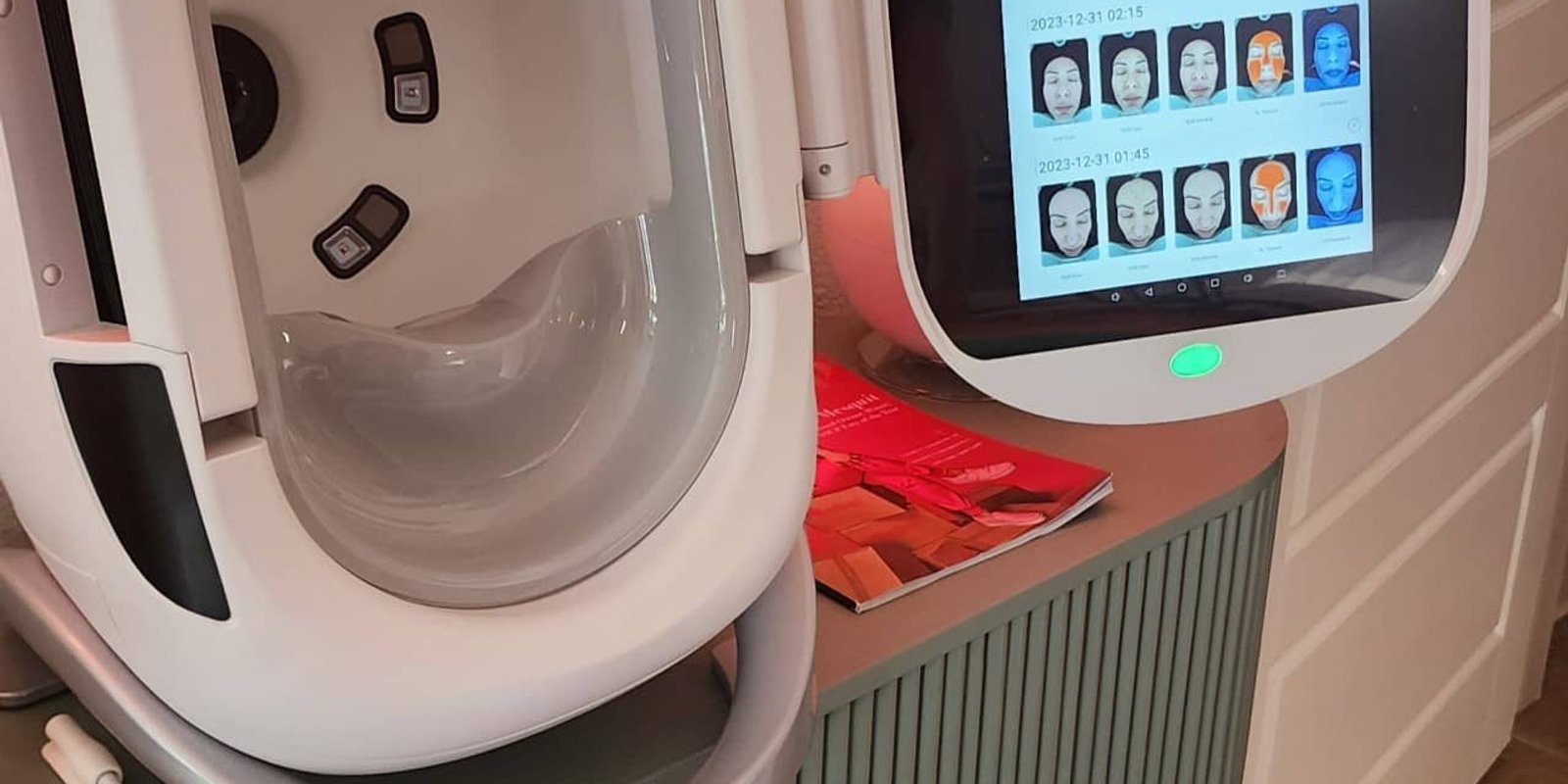

It seems that new medtech and healthtech, both software and hardware, are launched almost weekly and it's tempting to adopt the latest tool simply because it's new or trending. But for medical practices, smart tech acquisition and adoption isn't about following trends or taking the sales rep's word for it (or for assumed tax benefits). It is about choosing solutions that truly support patient care and contribute to operational excellence.
Here are some practical tips to help practice owners make more informed technology decisions:
1 Start With the Problem, Not the Tech
It's fine (and recommended) to stay up-to-date with and learn about the latest tech, but before consideration, get crystal clear on your actual need. Are you trying to improve workflow efficiency? Enhance diagnostics or outcomes? Reduce admin time? Increase patient engagement?
Recommendation: Take time to define your requirements first, then evaluate technology that directly addresses those needs. Avoid buying tech for the sake of buying tech.
2 Leverage your peer group and network
Your medical colleagues are one of your most valuable resources. Ask your trusted peers what tools they use, what's worked, and what hasn't. See if there's a pattern or consensus forming around certain systems, devices or manufacturers. In medicine, real-world experience is far more telling than marketing material.
Recommendation: Cultivate a network of peers in your specialty and join online private social media medical groups to learn others' frank experience with particular tech.
3 Always get a live demo
A demo, preferably in your own practice environment, is essential. Have the sales rep walk your team through the workflow, or even better, ask to be connected with a provider who already uses the technology. Seeing the product in action will reveal usability issues, integration needs, and potential workflow disruptions you won't catch in brochures.
Recommendation: Request a visit to an office which has the tech for a demo and learnings from a provider. Demos at conferences help provide an overview, but generally won't replace a dedicated walk-through.
4 Negotiate a Trial or Loan Period
Some manufacturers will offer a trial period or a short-term device loan if you ask, or if you can provide other value. This gives you hands-on experience without fully committing. If not, negotiate a return clause in your contract to protect your practice.
Recommendation: Be prepared to offer value to the manufacturer in exchange for a trial period, perhaps through demos to your peers, generating referrals or showcasing the technology on your social media platforms.
5 Clarify After-Sales Support and Service
A good technology purchase doesn't end at installation. Some vendors are great during the sales process and disappear afterwards. Strong post-purchase support ensures your technology continues performing as intended.
Recommendation: Make sure you ask about support response times, maintenance schedules, warranty coverage, the most common issues and training availability.
The right technology can elevate patient care, improve clinic efficiency, and support long-term growth.
The wrong technology can drain time, resources, and morale.